
Tech
Solid-State EV Batteries Hit Mass Production for the First Time
Two factories, one in Japan and one in South Korea, have begun shipping solid-state battery cells for electric vehicles at commercial scale. The cells promise 600-mile ranges and 10-minute charging, a leap analysts say could finally end range anxiety.
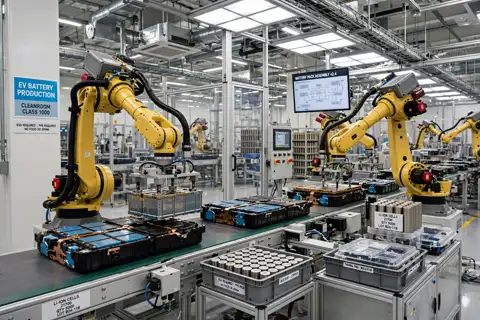
Illustration: Clear News
TOKYO, Oct. 10(Clear News): Solid-state electric vehicle batteries, a technology pursued by researchers for more than three decades, have entered mass production for the first time, with factories in Japan and South Korea beginning commercial shipments of cells this month.
The two plants are producing solid-state cells rated for roughly 600 miles of driving range and 10-minute fast charging, figures that would nearly double the performance of today's best lithium-ion packs. The first vehicles carrying the batteries are expected to reach showrooms in early 2027. Industry watchers caution that initial output will be limited to a few tens of thousands of vehicles per year until additional production lines come online later in the decade.
"This is the moment the industry has been waiting for," said an analyst at a Tokyo-based automotive research firm. "Solid-state was always five years away. It just stopped being five years away."
Why Solid-State Matters
Conventional lithium-ion batteries use flammable liquid electrolytes. Solid-state cells replace the liquid with a ceramic or sulfide-based solid electrolyte, eliminating the fire risk and allowing the use of lithium-metal anodes that pack far more energy into the same volume.
The result is batteries that charge faster, degrade more slowly, and operate across wider temperature ranges. Both manufacturers say their first-generation cells retain more than 90 percent of capacity after 1,000 charge cycles.
Cost and Competition
The remaining question is price. Initial solid-state packs are expected to cost roughly 40 percent more than comparable lithium-ion packs, placing the first models in the premium segment. Both companies say manufacturing improvements should close much of that gap within three years.
Chinese battery makers, which dominate the current lithium-ion market, are racing to respond, with several announcing their own solid-state production timelines for 2028. Automakers are hedging their bets: at least six global brands have already signed supply agreements with the two new factories, while keeping lithium-ion lines running for mass-market models.