US
US National Parks Report Record Fall Visitation
America's national parks are on pace for their busiest fall season ever, with October visits up sharply from last year. Park officials credit timed-entry reservation systems that spread crowds across the day and a wave of renovated campgrounds, trails, and visitor centers.
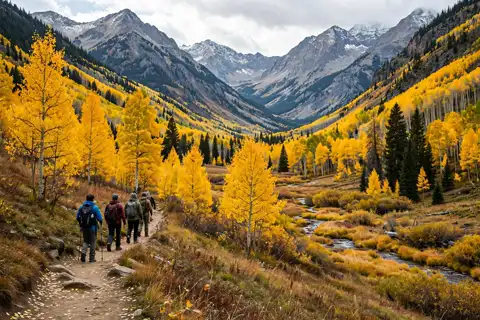
Illustration: Clear News
WASHINGTON (October 12, 2026). America's national parks are on pace for their busiest fall season on record, with October visits running 18 percent ahead of last year, the National Park Service said Monday, driven by new reservation systems that spread crowds and a wave of facility upgrades completed over the summer.
Through the first 10 days of October, the 63 national parks logged an estimated 7.4 million visits, according to preliminary data. Yellowstone, Grand Canyon, Zion, and Great Smoky Mountains all reported their highest-ever early-October attendance. The Park Service said the full fall season, which runs through November, is on track to surpass last year's record of 21 million visits.
"Fall has become the new summer in the parks," said NPS Director Rachel Kim. "The colors are spectacular, the weather is mild, and now you can actually find a parking spot."
The biggest factor, officials say, is the timed-entry reservation system now in use at 14 of the busiest parks, expanded this year from 9. Visitors book arrival windows in advance, which smooths out the mid-morning crush that once gridlocked entrance stations and trailheads. Parks using the system report shorter wait times even as total visits climb.
"Timed entry changed everything for us," said Arches National Park superintendent Daniel Wolfe. "We used to close the gates by 9 a.m. on October weekends because we were full. Now we take the same number of people, sometimes more, and the experience is calmer for everyone."
New facilities, fewer headaches
A second driver is infrastructure. Over the summer, the Park Service completed more than 120 projects funded by the Great American Outdoors Act, including renovated campgrounds at Yosemite and Rocky Mountain, rebuilt trails in the Smokies, and new shuttle systems at Zion and Glacier.
The expanded shuttle at Zion now runs until 9 p.m. through October, a change park officials say has spread hikers across the afternoon instead of concentrating them in the morning rush. Campground reservations, handled through a redesigned booking system, sold out in minutes for peak fall weekends, but cancellations are now released automatically to a waitlist instead of vanishing.
Crowds bring challenges
The surge brings strain: rangers report increased trail erosion, more wildlife encounters, and a rise in search-and-rescue calls from hikers unprepared for fast-changing fall weather.
"We love the visitors, but October weather in the mountains can turn in an hour," said Grand Teton spokeswoman Lisa Park. "Bring layers, bring water, and check the forecast before you head out."
Environmental groups cautioned that record visitation makes long-term planning more urgent, not less. "The reservation systems are working, and the infrastructure money is working," said Jonah Fields of the National Parks Conservation Association. "The question is whether funding keeps pace with demand in the years ahead."
The Park Service said it will review the fall data in December and decide whether to expand timed entry to additional parks for the 2027 season.