
World
Record 2026 Pacific Typhoon Season Strains Disaster Response
The 2026 Pacific typhoon season has set records for both storm count and intensity, with 31 named storms so far. Relief agencies say back-to-back landfalls in the Philippines, Taiwan, and Japan have stretched emergency resources thinner than any season on record.
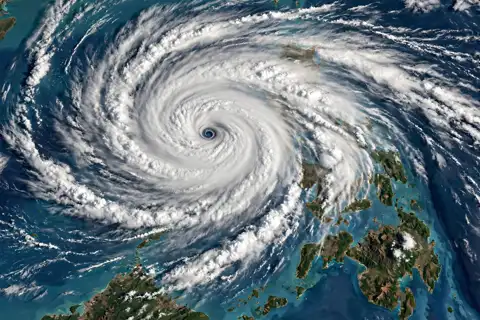
Illustration: Clear News
MANILA, Oct. 11(Clear News): The 2026 Pacific typhoon season has become the most active and most intense on record, forecasters announced Saturday, with 31 named storms so far and an unprecedented five reaching the highest intensity category before making landfall.
The previous record for named storms in the western Pacific basin was 28, set in 1964. The season has also produced the highest accumulated cyclone energy ever measured in the basin, driven by unusually warm sea-surface temperatures that meteorologists link to the lingering effects of the strongest El Niño in decades.
Relief agencies say the relentless pace of back-to-back landfalls has stretched emergency resources across the Philippines, Taiwan, and Japan thinner than any previous season.
Hardest-Hit Regions
The Philippines has absorbed nine landfalls this year, including two within eleven days of each other in September. Philippine disaster officials estimate more than 4.2 million people have been displaced at least temporarily this season, and the national disaster fund has been exhausted twice.
Taiwan's Central Emergency Operation Center reported that Typhoon Lanmei, which made landfall on the island's east coast Oct. 3, caused the worst flooding in Hualien County in fifty years. Japan's southwestern islands have seen repeated evacuations, with Kagoshima Prefecture ordered to evacuate more than 200,000 residents twice in three weeks.
Response Under Strain
International aid organizations say the clustering of storms has broken the usual recovery cycle, where communities rebuild between landfalls.
"Normally you get hit, you recover, you prepare for the next one," said a regional coordinator for the International Federation of Red Cross and Red Crescent Societies. "This year the next one arrives before the tarps are off the last one."
Forecast agencies expect the season to remain active into December. Governments across the region are now debating longer-term shifts in building codes, insurance markets, and evacuation infrastructure, as climate models suggest seasons this intense will become more frequent in coming decades.